

Comparing Architectural Butt Hinges to Continuous Hinges: A Comprehensive Guide for Hardware Selection
2025-02-25
Comparing Architectural Butt Hinges to Continuous Hinges: A Comprehensive Guide
Table of Contents
- 1. Introduction to Architectural Butt Hinges and Continuous Hinges
- 2. What Are Architectural Butt Hinges?
- 3. Advantages of Architectural Butt Hinges
- 4. What Are Continuous Hinges?
- 5. Benefits of Continuous Hinges
- 6. Architectural Butt Hinges vs. Continuous Hinges: A Detailed Comparison
- 7. Applications of Butt Hinges and Continuous Hinges
- 8. Choosing the Right Hinge for Your Project
- 9. FAQs About Architectural Butt Hinges and Continuous Hinges
- 10. Conclusion
1. Introduction to Architectural Butt Hinges and Continuous Hinges
When it comes to door hardware, the choice of hinges plays a crucial role in functionality, aesthetics, and durability. Among the various hinge options available, architectural butt hinges and continuous hinges are two of the most popular choices. Each type serves specific purposes and is suited to different applications. Understanding the distinctions between these hinges is essential for architects, builders, and even homeowners who wish to achieve optimal performance and style in their projects.
2. What Are Architectural Butt Hinges?
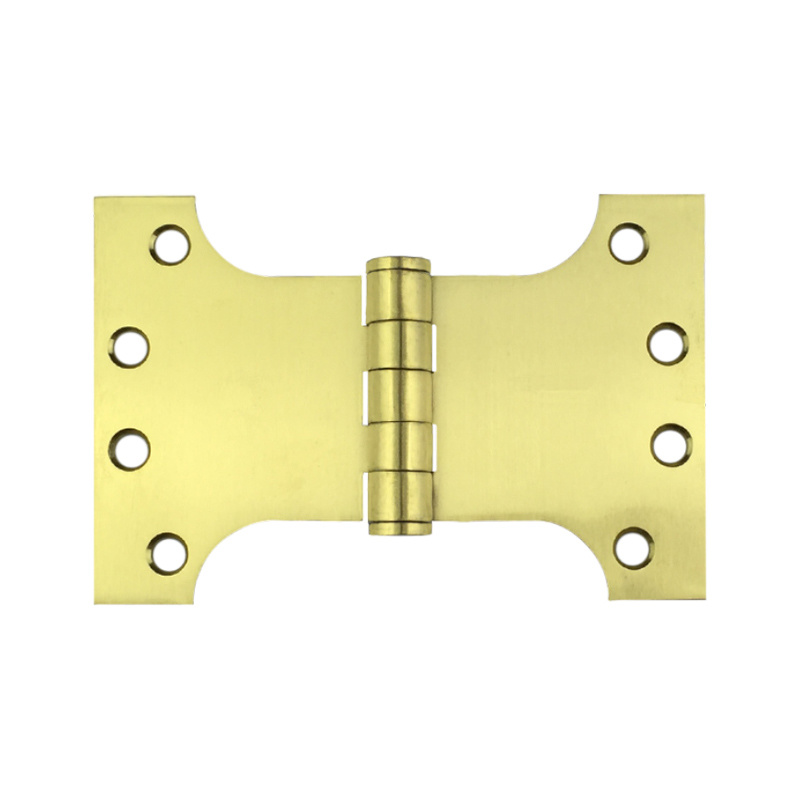
Architectural butt hinges, often referred to as "butt hinges," are composed of two plates, known as leaves, that are attached to the door and the frame. These hinges allow for smooth swinging motion and are available in various sizes and styles, accommodating a wide range of door thicknesses and weights. Typically crafted from robust materials, butt hinges can support heavy doors while maintaining a sleek appearance.
3. Advantages of Architectural Butt Hinges
- Design Versatility: Architectural butt hinges come in a variety of finishes and styles, allowing designers to match them with the aesthetics of the door and surrounding architecture.
- Weight Capacity: With their robust construction, these hinges can support heavier doors without compromising performance.
- Easy Installation: Butt hinges are relatively easy to install, making them a popular choice for both professionals and DIY enthusiasts.
- Durability: Made from high-quality materials, these hinges are designed to withstand wear and tear, ensuring long-lasting functionality.
4. What Are Continuous Hinges?
Continuous hinges, also known as piano hinges, run the entire length of the door. Unlike butt hinges, which are fixed at specific points, continuous hinges provide a seamless pivoting action. These hinges are typically made from metal strips and are commonly used in applications where a wide range of motion is required, such as piano lids or heavy-duty doors.
5. Benefits of Continuous Hinges
- Support for Heavy Doors: Continuous hinges distribute weight evenly along the length of the door, making them ideal for heavy or oversized doors.
- Enhanced Stability: Their design provides greater stability and reduces the risk of sagging or misalignment over time.
- Reduced Wear: Continuous hinges minimize friction at the pivot point, leading to less wear and tear compared to traditional hinges.
- Customizable Length: Available in various lengths, these hinges can be tailored to fit specific door sizes and applications.
6. Architectural Butt Hinges vs. Continuous Hinges: A Detailed Comparison
While both architectural butt hinges and continuous hinges serve the same fundamental purpose, they exhibit key differences that can impact their effectiveness in various situations. Below are some primary factors to consider when comparing these hinge types:
Design and Aesthetics
Architectural butt hinges provide a more traditional look and are available in diverse designs, enhancing the overall appearance of a door. Continuous hinges, while functional, often lack the same level of aesthetic appeal and may be more utilitarian in design.
Installation and Maintenance
Butt hinges are generally easier to install, making them a favorite for standard door applications. Continuous hinges require precise alignment but can significantly reduce the time needed for maintenance due to their robust design.
Weight Distribution
Continuous hinges excel in weight distribution, making them ideal for heavy doors. In contrast, butt hinges may require multiple units for larger doors to ensure effective weight management.
Durability
Both hinge types offer durability; however, the continuous design of piano hinges can reduce wear and tear over time, as they experience less strain compared to traditional butt hinges, especially in high-traffic areas.
7. Applications of Butt Hinges and Continuous Hinges
Choosing the right hinge type can greatly impact the functionality and longevity of a door. Here are some common applications for each type:
Applications of Architectural Butt Hinges
- Residential doors
- Interior and exterior commercial doors
- Cabinetry and furniture
Applications of Continuous Hinges
- Heavy-duty doors in commercial and industrial settings
- Piano lids and other applications requiring continuous movement
- Heavy storage doors and gates
8. Choosing the Right Hinge for Your Project
When selecting hinges for your project, consider the following factors:
- Weight of the Door: Assess the weight and size to determine if butt hinges or continuous hinges are more appropriate.
- Aesthetic Requirements: Choose hinges that align with the design and style of the door and surrounding architecture.
- Traffic Volume: For high-traffic areas, opt for continuous hinges to reduce maintenance and prolong lifespan.
- Budget: Consider the cost and available options that provide the best value for your specific needs.
9. FAQs About Architectural Butt Hinges and Continuous Hinges
1. What are the main differences between architectural butt hinges and continuous hinges?
The main differences lie in their design, load capacity, ease of installation, and aesthetic appeal. Architectural butt hinges support heavier doors with a classic look, while continuous hinges provide stability and weight distribution along the entire length of the door.
2. Can butt hinges be used for heavy doors?
Yes, butt hinges can be used for heavy doors, but multiple hinges may be required to support the weight effectively. Continuous hinges are often recommended for very heavy doors.
3. Are continuous hinges more durable than butt hinges?
Continuous hinges are generally more durable due to their design, which minimizes wear at the pivot point. This makes them better suited for high-traffic areas.
4. Which hinge type is easier to install?
Architectural butt hinges are typically easier to install as they require less precise alignment compared to continuous hinges.
5. Where can I purchase architectural butt hinges or continuous hinges?
Both types of hinges are available at hardware stores, specialized retailers, and online marketplaces. It's essential to select a reputable supplier that offers quality products.
10. Conclusion
In summary, the choice between architectural butt hinges and continuous hinges ultimately depends on the specific requirements of your project. Architectural butt hinges offer a classic aesthetic and are easy to install, making them suitable for residential and light commercial applications. On the other hand, continuous hinges provide superior weight distribution and durability, making them ideal for heavy-duty applications. By understanding the unique characteristics and advantages of each hinge type, you can make an informed decision that enhances both the functionality and appearance of your doors.

Contact Us
E-mail :
ivyhinge@163.com
Phone/WhatsApp:
+86 18924942354
Address:
XIAOLAN TOWN,ZHONGSHAN cIty,GUANGDONG province,China

ivyhinge@163.com
Copyright © 2024 IVY HINGE MANUFACTURER