

Easy Steps for Installing Large Door Hinges Like a Pro
2026-04-17
Easy Steps for Installing Large Door Hinges Like a Pro
Introduction to Large Door Hinges
Installing large door hinges might seem daunting, but with the right approach and tools, it can be a straightforward process. Large door hinges are essential for supporting heavy doors, ensuring smooth operation and longevity. In this guide, we will provide you with easy-to-follow steps that will help you install large door hinges like a seasoned pro.
Why Choose Large Door Hinges?
Large door hinges offer several advantages over standard-sized hinges. They provide enhanced strength and stability, making them ideal for heavy doors, including those made of solid wood, metal, or composite materials. Additionally, large hinges distribute the weight of the door more evenly, reducing the risk of wear and tear over time. Whether you are replacing existing hinges or installing new ones, opting for large door hinges is a wise choice.
Understanding the Types of Large Door Hinges
Before diving into the installation process, it’s essential to understand the different types of large door hinges available. Here are some common types:
1. Butt Hinges
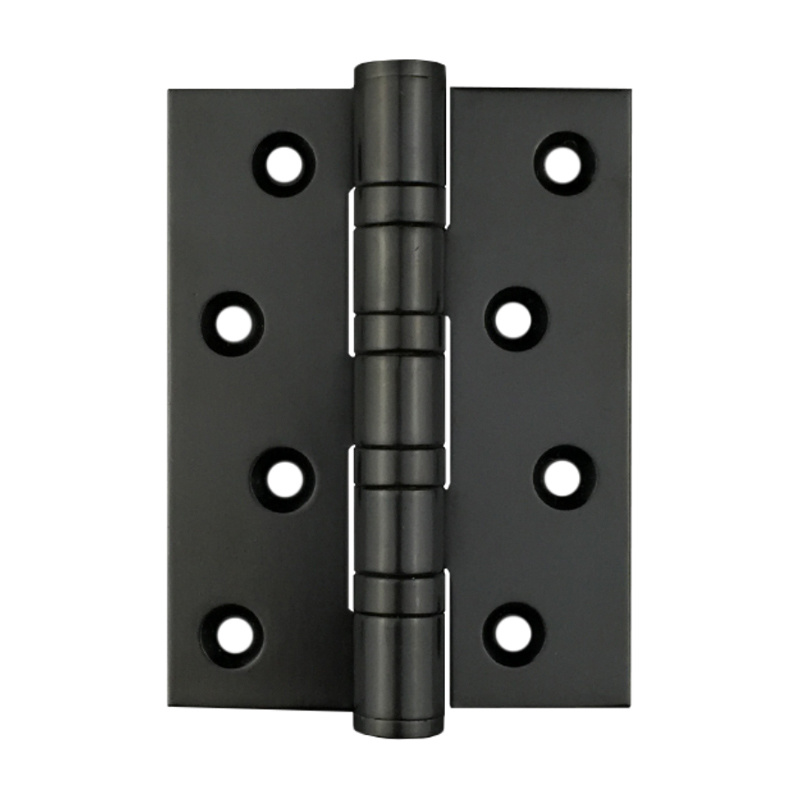
These are the most commonly used hinges for interior and exterior doors. Butt hinges consist of two rectangular plates (leaves) joined by a pin.
2. Continuous Hinges
Also known as piano hinges, continuous hinges run the entire length of the door. They offer superior support and are ideal for heavy or wide doors.
3. Strap Hinges
These hinges are often used for gates and shed doors. Strap hinges have long plates that extend out from the hinge pin, providing additional support.
4. Concealed Hinges
These hinges are hidden from view when the door is closed, offering a sleek appearance. They are often used in cabinetry and high-end installations.
Essential Tools and Materials for Installation
To install large door hinges effectively, gather the following tools and materials:
- Large door hinges (make sure they are appropriate for the weight of the door)
- Power drill with drill bits
- Screwdriver
- Level
- Measuring tape
- Chisel
- Wood filler (if needed)
- Wood screws (typically included with hinges)
- Safety goggles
Preparing for Installation
Preparation is key to a successful installation. Follow these steps to ensure a smooth process.
1. Measure the Door and Frame
Begin by measuring the height and width of the door frame. This will help you determine the placement of the hinges. Typically, for large doors, it is recommended to install three hinges: one near the top, one in the middle, and one near the bottom.
2. Mark the Hinge Placement
Using a pencil, mark the spots where the hinges will be attached on both the door and the door frame. Ensure that your markings are level and symmetrical.
3. Check for Obstructions
Before proceeding, check for any obstructions on the door or frame that could interfere with the hinge installation. This includes door stops, weather stripping, or any other hardware.
Step-by-Step Guide to Installing Large Door Hinges
1. Preparing the Door and Frame
Start by positioning the door upright. If you’re working alone, it may be helpful to use a door stand or prop to keep it stable. Ensure the door is level using your level tool.
2. Chiseling the Hinge Recess
Using a chisel, create a recess for the hinge on both the door and the frame. The recess should be deep enough to allow the hinge to sit flush against the surface. Take your time with this step to ensure a clean fit.
3. Attaching the Hinge to the Door
Align the hinge with the markings you made earlier. Using a power drill, pilot holes can be drilled through the hinge holes to prevent the wood from splitting. Then, secure the hinge to the door with screws.
4. Attaching the Hinge to the Frame
Once the hinge is secured to the door, lift the door into the frame. Align the hinge with the mark on the frame and repeat the drilling and screwing process to secure it in place.
5. Repeat for Additional Hinges
If you are installing more than one hinge, repeat steps 2 through 4 for each additional hinge. Make sure to maintain even spacing and alignment for a professional finish.
6. Final Adjustments
After all hinges are installed, open and close the door to test for smooth operation. If the door binds or scrapes, you may need to adjust the hinge placement slightly.
Troubleshooting Common Issues
Even with careful preparation, issues can arise during the installation of large door hinges. Here are some common problems and their solutions:
1. Door Doesn't Close Properly
If the door doesn’t close completely, check to ensure that the hinges are correctly aligned. Adjust the position of the hinges slightly if needed.
2. Scraping or Binding
If the door binds or scrapes against the frame, inspect the hinge placement. You may need to chisel out additional space or realign the hinges.
3. Loose Hinges
If the hinges seem loose after installation, ensure that you used the correct length of screws. If necessary, replace screws with longer ones to secure better.
Maintenance Tips for Large Door Hinges
To ensure the longevity of your large door hinges, keep the following maintenance tips in mind:
1. Regular Lubrication
Apply silicone spray or a light machine oil to the hinges regularly to prevent rust and ensure smooth operation.
2. Tighten Screws Periodically
Check the screws periodically to ensure they remain tight. Loose screws can lead to misalignment and door instability.
3. Inspect for Wear and Tear
Regularly inspect the hinges for signs of wear, such as rust or substantial scratches. Replacing damaged hinges promptly will prevent further issues.
Frequently Asked Questions (FAQs)
1. How do I choose the right size large door hinge?
Choose a hinge size that corresponds to the weight and dimensions of your door. Generally, heavier doors require larger and sturdier hinges.
2. Can I install large door hinges myself?
Yes, with the right tools and guidance, installing large door hinges can be a manageable DIY project. Follow the steps outlined in this article for a successful installation.
3. What type of screws should I use for large door hinges?
Use wood screws that are appropriate for the material of your door. Ensure they are long enough to provide a secure hold without penetrating through the other side.
4. How can I prevent rust on metal hinges?
Keep hinges clean and free from moisture. Regularly apply a lubricant designed for metal to prevent rust.
5. What should I do if my door is misaligned after installing hinges?
If your door is misaligned, check the hinge placement for accuracy. Adjust the hinges as needed and ensure the recesses are correctly chiselled to allow for a proper fit.
Conclusion
Installing large door hinges is a valuable skill that can enhance the functionality and appearance of your doors. By following the detailed steps outlined in this guide, you can achieve professional results and enjoy the benefits of sturdy, well-installed hinges. Whether you’re upgrading existing doors or embarking on a new project, always prioritize quality tools and materials for the best outcomes. With regular maintenance, your large door hinges will serve you well for years to come.

Contact Us
E-mail :
ivyhinge@163.com
Phone/WhatsApp:
+86 18924942354
Address:
XIAOLAN TOWN,ZHONGSHAN cIty,GUANGDONG province,China

ivyhinge@163.com
Copyright © 2024 IVY HINGE MANUFACTURER
Business License