

Enhancing Security with the Right Architectural Butt Hinges: A Comprehensive Guide
2025-10-27
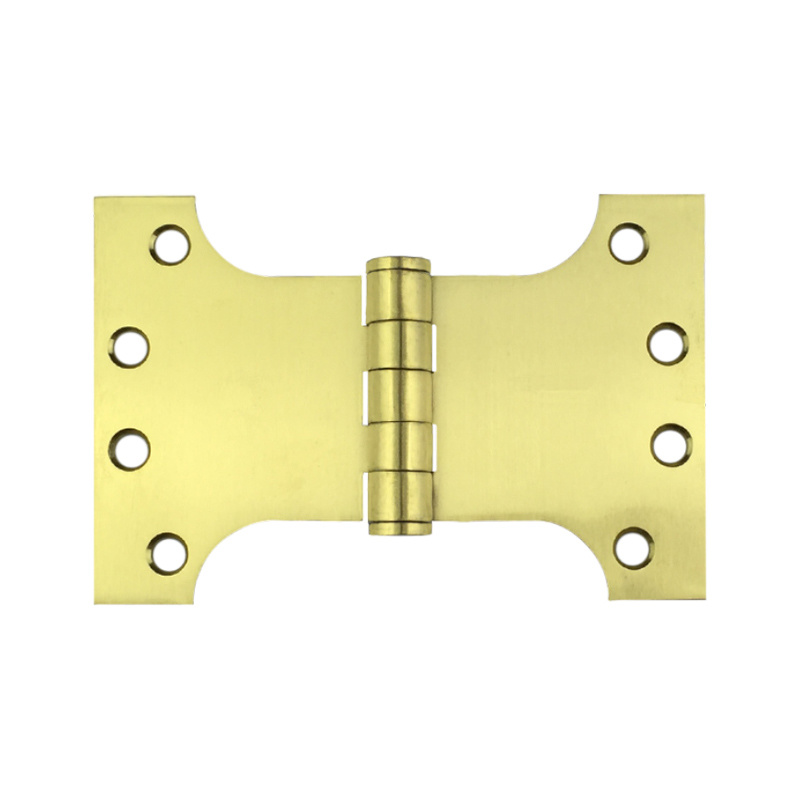
Enhancing Security with the Right Architectural Butt Hinges
Table of Contents
- 1. Introduction to Architectural Butt Hinges
- 2. The Importance of Quality Hinges in Security
- 3. Types of Architectural Butt Hinges
- 4. Material Matters: Choosing the Right Hinge Material
- 5. The Right Size: How to Measure Hinges Correctly
- 6. Proper Installation Techniques for Enhanced Security
- 7. Maintenance Tips for Longevity and Security
- 8. Common Issues with Butt Hinges and How to Fix Them
- 9. Conclusion
- 10. Frequently Asked Questions
1. Introduction to Architectural Butt Hinges
When it comes to ensuring the security and functionality of doors, the choice of hinges is often overlooked. Architectural butt hinges play a crucial role in not only the aesthetics of a door but also its security. These hinges are designed to provide support and stability to doors while allowing them to swing smoothly. A well-chosen hinge can contribute significantly to the overall security of your property, making it essential to understand their features, types, and best practices.
2. The Importance of Quality Hinges in Security
In any structural application, the quality of hinges directly impacts security. In fact, weak or faulty hinges can compromise the integrity of doors, making it easier for intruders to gain access to your property. Architectural butt hinges are particularly significant because they are designed for heavy-duty use, ensuring that they can withstand both the weight and stress of an operational door.
By investing in high-quality architectural butt hinges, you not only enhance the durability of your doors but also improve their resistance to physical attack. Quality hinges can deter burglaries, protect assets, and ensure the safety of individuals within a space.
3. Types of Architectural Butt Hinges
Understanding the various types of architectural butt hinges available on the market is crucial for making an informed decision. Here are a few common types:
3.1 Full-Mortise Butt Hinges
Full-mortise butt hinges are the most common type used in residential and commercial applications. These hinges are designed to be flush with the door and frame, providing a clean look. They are ideal for heavy doors that require robust support.
3.2 Half-Mortise Butt Hinges
Half-mortise butt hinges are installed so that only part of the hinge is recessed into the door. This design allows for a more decorative appearance while maintaining security. They are often used for lighter doors but can still provide adequate support.
3.3 Surface-Mounted Butt Hinges
Surface-mounted hinges are affixed directly to the surface of the door and frame. While they may not offer the same level of aesthetics as mortise hinges, they can be an excellent choice for added security, especially in high-traffic areas.
4. Material Matters: Choosing the Right Hinge Material
The material of architectural butt hinges plays a significant role in their performance and security. Here are some popular materials used for hinges:
4.1 Stainless Steel
Stainless steel hinges are known for their strength and resistance to corrosion, making them an ideal choice for exterior doors. Their durability ensures that they maintain their integrity over time, even in harsh weather conditions.
4.2 Brass
Brass hinges provide a classic aesthetic and excellent corrosion resistance. Although they may not be as strong as stainless steel, they are often used in residential settings where aesthetics play a significant role.
4.3 Steel
Steel hinges, particularly when coated with protective finishes, can offer exceptional strength and durability. They are well-suited for heavy-duty applications and can withstand significant stress.
5. The Right Size: How to Measure Hinges Correctly
Selecting the right size of architectural butt hinges is crucial for ensuring proper fit and functionality. Here’s how to measure:
5.1 Standard Sizes
Most architectural butt hinges come in standard sizes ranging from 3 to 6 inches. Typically, heavier doors will require larger hinges to provide adequate support.
5.2 Measurement Process
To measure hinges accurately, consider the width and length. Measure the width of the hinge leaf and the length from the top to the bottom. Ensure you also account for the thickness of the door when selecting hinges.
6. Proper Installation Techniques for Enhanced Security
Installing architectural butt hinges correctly is essential for maximizing security. Follow these guidelines:
6.1 Mark the Hinge Locations
Begin by marking the locations where the hinges will be installed on both the door and the frame. Use a level to ensure that the hinges are straight.
6.2 Drill Holes for Screws
Drill pilot holes for the screws to prevent splitting the wood. Ensure the holes are the correct size for your screws to maintain a secure fit.
6.3 Secure the Hinges
Attach the hinges with screws, ensuring that they are tightened appropriately. Use a screw gun for efficiency and precision.
7. Maintenance Tips for Longevity and Security
Regular maintenance of architectural butt hinges can significantly extend their lifespan and enhance security. Here are some tips:
7.1 Inspect Regularly
Routine inspections can help identify any issues before they become significant problems. Look for signs of wear, rust, or misalignment.
7.2 Clean and Lubricate
Keep hinges clean and free of debris. Apply lubricant to the moving parts to ensure smooth operation and prevent rust formation.
8. Common Issues with Butt Hinges and How to Fix Them
Even the best architectural butt hinges can face issues over time. Here are some common problems and their solutions:
8.1 Door Misalignment
If a door is not closing properly, it may be misaligned. Check the hinge placement and tighten any loose screws.
8.2 Squeaking Noises
Squeaky hinges can often be silenced with lubrication. Apply a suitable lubricant to the hinge to eliminate noise.
8.3 Rust Formation
Rust can weaken hinges over time. If rust is present, clean it off and consider replacing the hinge if it has significantly deteriorated.
9. Conclusion
Architectural butt hinges play a pivotal role in enhancing the security of doors within both residential and commercial spaces. By selecting the right type, material, and size of hinges, along with proper installation and maintenance, property owners can significantly improve the strength and durability of their doors. Investing in quality architectural butt hinges is an essential step toward creating a secure environment that protects assets and ensures peace of mind.
10. Frequently Asked Questions
10.1 What are architectural butt hinges?
Architectural butt hinges are heavy-duty hinges designed for doors, providing security and aesthetic appeal.
10.2 How do I choose the right hinge size?
Measure the width and length of the hinge leaf and consider the door's weight to determine the appropriate size.
10.3 Can I install butt hinges myself?
Yes, with the right tools and following proper installation techniques, you can install butt hinges yourself.
10.4 How often should I maintain my hinges?
Regular inspections every few months are advisable, along with cleaning and lubrication as needed.
10.5 What should I do if my door is squeaking?
Apply lubricant to the hinges to eliminate the noise. If the problem persists, check for misalignment or damage.

Contact Us
E-mail :
ivyhinge@163.com
Phone/WhatsApp:
+86 18924942354
Address:
XIAOLAN TOWN,ZHONGSHAN cIty,GUANGDONG province,China

ivyhinge@163.com
Copyright © 2024 IVY HINGE MANUFACTURER
Business License