

Exploring the Durability of Heavy Duty Continuous Hinges: A Comprehensive Guide
2025-12-14
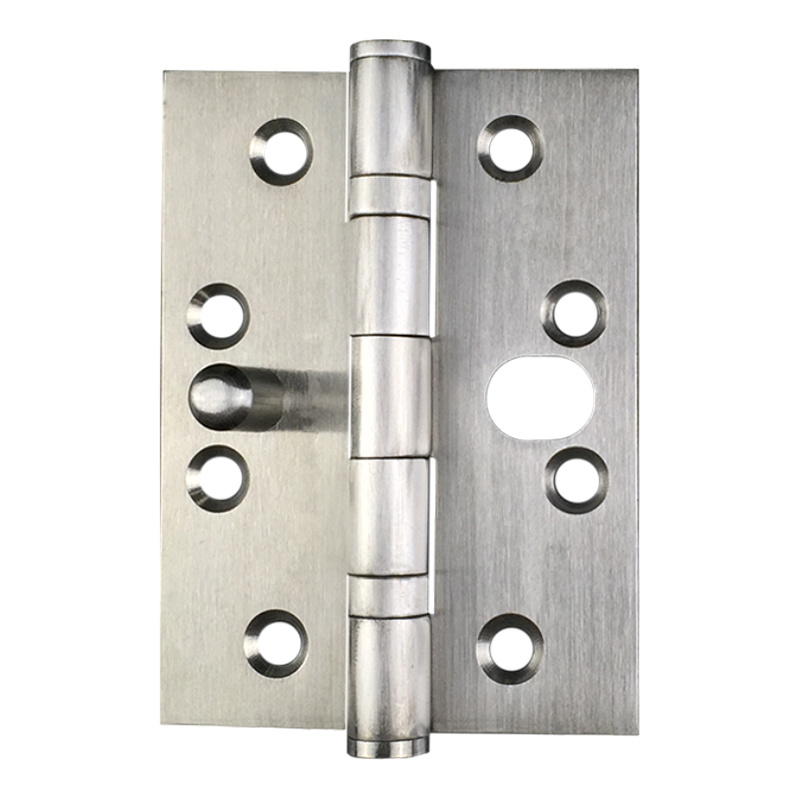
Exploring the Durability of Heavy Duty Continuous Hinges: A Comprehensive Guide
Table of Contents
- Introduction to Heavy Duty Continuous Hinges
- What are Heavy Duty Continuous Hinges?
- Benefits of Using Continuous Hinges
- Materials Used in Heavy Duty Continuous Hinges
- Applications of Heavy Duty Continuous Hinges
- Installation Guide for Continuous Hinges
- Maintenance and Care of Continuous Hinges
- Conclusion
- FAQs
Introduction to Heavy Duty Continuous Hinges
Heavy duty continuous hinges are an essential component in various industrial and commercial applications. Their design allows for smooth operation and enhanced strength, making them ideal for high-traffic environments. Whether you're working on a large commercial project or a small restoration, understanding these hinges' durability and advantages can significantly impact your choice.
What are Heavy Duty Continuous Hinges?
Heavy duty continuous hinges are long, narrow hinges that provide support along the entire length of a door or gate. Unlike traditional hinges, which pivot on a single point, continuous hinges distribute the weight of the door evenly, minimizing stress and wear. This makes them particularly suitable for doors that are heavy, frequently used, or subjected to harsh conditions.
Types of Heavy Duty Continuous Hinges
There are several types of heavy duty continuous hinges, including:
- **Piano Hinges**: Long, continuous hinges often used in musical instruments, hence the name.
- **Security Hinges**: Designed for added strength and resistance against tampering.
- **Concealed Hinges**: These hinges are hidden from view when the door is closed, offering a sleek appearance.
Benefits of Using Continuous Hinges
The advantages of heavy duty continuous hinges are numerous, contributing to their growing popularity in various fields. Here are some key benefits:
1. Enhanced Durability
The primary strength of continuous hinges lies in their design. With support along the entire length, they endure significant wear and tear without losing function, making them ideal for heavy doors.
2. Improved Stability
Continuous hinges provide superior stability compared to standard hinges, reducing the chances of misalignment. This stability is crucial in industrial environments where doors are frequently opened and closed.
3. Reduced Friction
The design of continuous hinges minimizes friction, resulting in smoother operation. This is particularly beneficial for heavy doors, where traditional hinges may struggle to provide the same level of ease.
4. Versatility in Design
Heavy duty continuous hinges can be customized to fit various door sizes and styles, offering flexibility for different applications.
Materials Used in Heavy Duty Continuous Hinges
The durability and performance of continuous hinges largely depend on the materials used in their construction. Common materials include:
1. Stainless Steel
Stainless steel hinges are known for their corrosion resistance and strength, making them suitable for outdoor and industrial applications.
2. Aluminum
Aluminum continuous hinges are lightweight yet strong, offering excellent resistance to rust and corrosion, making them ideal for environments exposed to moisture.
3. Brass
Brass hinges provide a classic aesthetic while offering good corrosion resistance, commonly used in commercial buildings and residential applications.
Applications of Heavy Duty Continuous Hinges
The versatility of heavy duty continuous hinges allows for their use in various sectors. Some common applications include:
1. Commercial Doors
Many businesses utilize heavy duty continuous hinges for high-traffic doors due to their durability and reliability.
2. Industrial Settings
In factories and warehouses, these hinges are essential for loading docks and equipment access doors, where strength and stability are critical.
3. Military and Security Facilities
Heavy duty continuous hinges are often used in secure facilities, where enhanced security and durability are paramount.
4. Educational Institutions
Schools and universities benefit from the long-lasting nature of continuous hinges, especially in high-traffic areas.
Installation Guide for Continuous Hinges
Proper installation is key to maximizing the longevity and performance of heavy duty continuous hinges. Follow these steps for a successful installation:
1. Gather Your Tools
Before beginning, ensure you have the necessary tools, including a drill, screwdriver, level, and measuring tape.
2. Measure and Mark
Carefully measure where the hinges will be placed on the door and frame. Mark the positions to ensure precise alignment.
3. Pre-Drill Holes
Using a drill, pre-drill holes for the screws. This step helps prevent the wood from splintering and allows for easier screw insertion.
4. Attach the Hinge
Align the hinge with the pre-drilled holes and secure it with screws. Use a level to ensure that the hinge is straight.
5. Test the Door
After installation, open and close the door to ensure smooth operation. Make any necessary adjustments for alignment.
Maintenance and Care of Continuous Hinges
To ensure the longevity of heavy duty continuous hinges, regular maintenance is essential. Here are some tips to keep them in optimal condition:
1. Regular Cleaning
Dust and debris can accumulate on hinges, impacting their performance. Clean them regularly with a damp cloth to remove any buildup.
2. Lubrication
Apply a silicone-based lubricant periodically to reduce friction and ensure smooth operation.
3. Inspect for Wear
Regularly inspect the hinges for signs of wear or damage. Replace any components that show significant wear to maintain functionality.
Conclusion
Heavy duty continuous hinges are a reliable choice for various applications, offering superior strength, stability, and longevity. Understanding their benefits, materials, applications, and maintenance can help you make informed decisions when selecting hinges for your projects. By investing in quality continuous hinges, you can ensure that your doors perform optimally, even in the most demanding environments.
Frequently Asked Questions (FAQs)
1. What is the difference between a standard hinge and a continuous hinge?
A standard hinge pivots at a single point, while a continuous hinge supports the entire length of the door, providing better durability and stability.
2. Can continuous hinges be used on heavy doors?
Yes, heavy duty continuous hinges are specifically designed for heavy doors, offering the necessary support and durability.
3. How often should I lubricate my continuous hinges?
It’s recommended to lubricate your continuous hinges every six months or as needed, especially in high-traffic areas.
4. Are there specific installation requirements for continuous hinges?
While installation can vary, ensure that the hinge is aligned properly, and that pre-drilled holes are used to prevent damage during installation.
5. What materials are best for outdoor use?
Stainless steel and aluminum are excellent choices for outdoor applications due to their corrosion resistance.

Contact Us
E-mail :
ivyhinge@163.com
Phone/WhatsApp:
+86 18924942354
Address:
XIAOLAN TOWN,ZHONGSHAN cIty,GUANGDONG province,China

ivyhinge@163.com
Copyright © 2024 IVY HINGE MANUFACTURER
Business License