

Mastering the Installation Process for Architectural Butt Hinges: A Comprehensive Guide
2025-03-03
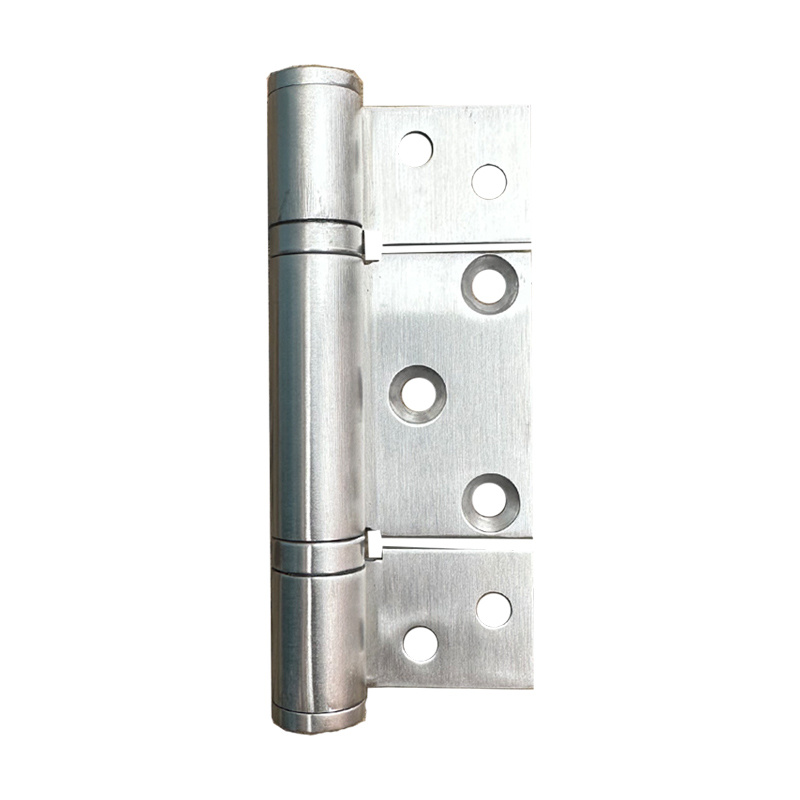
Mastering the Installation Process for Architectural Butt Hinges
Table of Contents
- 1. Introduction to Architectural Butt Hinges
- 2. What Are Architectural Butt Hinges?
- 3. Types of Architectural Butt Hinges
- 4. Tools Required for Installation
- 5. Step-by-Step Installation Process
- 6. Troubleshooting Common Issues
- 7. Maintenance and Care of Butt Hinges
- 8. Conclusion
- 9. FAQs about Architectural Butt Hinges
1. Introduction to Architectural Butt Hinges
Architectural butt hinges are essential components in modern architecture, providing both functionality and aesthetic appeal. These hinges are designed for high-traffic doors, ensuring they can withstand continuous use while maintaining smooth operation. Understanding the installation process for architectural butt hinges is crucial, whether you are a seasoned professional or a DIY enthusiast looking to enhance your skills.
2. What Are Architectural Butt Hinges?
Architectural butt hinges are robust, durable hinges typically used in commercial and residential buildings. They are characterized by their flat, rectangular shape and consist of two leaves joined by a pin. Unlike standard hinges, architectural butt hinges offer a cleaner finish and are less likely to warp or bend, making them ideal for heavy doors and high-traffic areas.
Benefits of Architectural Butt Hinges
Architectural butt hinges are favored for several reasons:
- Strength and Durability: Made from high-quality materials, these hinges can support the weight of heavy doors.
- Aesthetic Appeal: They provide a seamless look, enhancing the door's appearance.
- Versatility: Available in various finishes and sizes, they can accommodate different architectural styles.
3. Types of Architectural Butt Hinges
Understanding the different types of architectural butt hinges can help you select the right one for your project. The primary types include:
Standard Butt Hinges
Standard butt hinges are the most common type used in residential doors. They come in various sizes and finishes and are suitable for both interior and exterior applications.
Security Butt Hinges
These hinges are designed with added security features, such as non-removable pins, making them ideal for exterior doors that require heightened security.
Continuous Hinges
Also known as piano hinges, continuous hinges run the full length of the door, providing even weight distribution and enhanced stability.
4. Tools Required for Installation
Equipping yourself with the right tools is critical for a successful installation of architectural butt hinges. Here’s a comprehensive list of tools you will need:
- Power Drill: For drilling holes into the door and frame.
- Screwdriver: For securing screws into the hinge.
- Chisel: To create recesses for the hinge leaves.
- Measuring Tape: To measure the height and width of the door accurately.
- Level: To ensure the door hangs straight.
- Wood Blocks: To support the door during installation.
5. Step-by-Step Installation Process
Installing architectural butt hinges may seem daunting, but with careful planning and execution, it can be a straightforward task. Follow these steps for a successful installation:
Step 1: Measure and Mark
Begin by measuring the door's height and marking where the hinges will be placed. A common placement is 7 inches from the top of the door and 11 inches from the bottom, with a third hinge in the middle for larger doors.
Step 2: Create Recesses
Using a chisel, create a recess in both the door and the door frame for the hinge leaves. Ensure the depth matches the thickness of the hinge to allow the door to close flush against the frame.
Step 3: Drill Holes
Drill pilot holes for the screws at the marked locations. Be cautious to maintain straight and accurate holes to ensure the hinge secures properly.
Step 4: Attach the Hinge Leaves
Align the hinge leaves with the recesses you have created. Insert screws into the pilot holes and tighten them securely. Repeat this process for each hinge.
Step 5: Hang the Door
With the help of another person, lift the door into place and align the hinges with the frame. Secure the frame side of the hinge in the same manner.
Step 6: Check Alignment
Use a level to ensure that the door is straight. Adjust as necessary, tightening or loosening screws accordingly.
Step 7: Test the Door
Finally, open and close the door several times to ensure smooth operation. Make any adjustments if needed for alignment and functionality.
6. Troubleshooting Common Issues
Even with careful installation, issues can arise. Here are some common problems and their solutions:
Problem: Door Doesn't Close Properly
Solution: Check the alignment of the hinges. If the door is sagging, tighten the screws or adjust the hinge placement.
Problem: Hinge Screws Strip
Solution: If screws strip, consider using larger screws or inserting wooden dowels into the holes before re-drilling.
Problem: Squeaking Noises
Solution: Lubricate the hinges with a silicone spray or graphite powder to eliminate squeaks.
7. Maintenance and Care of Butt Hinges
To prolong the life of your architectural butt hinges, regular maintenance is essential. Follow these tips for proper care:
Regular Cleaning
Dust and dirt can accumulate on hinges, leading to wear. Clean them with a damp cloth and mild detergent regularly.
Lubrication
Apply a lubricant periodically to ensure smooth operation. Avoid using oils that can attract dirt.
Inspect for Wear
Regularly check for signs of wear or damage. Replace any hinges that show significant wear to maintain functionality and security.
8. Conclusion
Understanding the installation process for architectural butt hinges is vital for ensuring both functionality and aesthetic quality in your doors. By following the outlined steps, utilizing the right tools, and maintaining your hinges, you can achieve a successful installation that enhances the longevity and efficiency of your doors. Whether you are a seasoned professional or a DIY enthusiast, mastering this skill will undoubtedly improve your overall craftsmanship in architectural projects.
9. FAQs about Architectural Butt Hinges
What are the standard sizes for architectural butt hinges?
Architectural butt hinges commonly come in sizes ranging from 3 inches to 6 inches, with various thicknesses depending on their intended use.
Can I use architectural butt hinges for exterior doors?
Yes, architectural butt hinges are ideal for exterior doors, especially those designed with security features.
How do I choose the right finish for my butt hinges?
Select a finish that complements the door and surrounding hardware. Options include brass, stainless steel, and bronze finishes.
Do architectural butt hinges require special installation techniques?
While they follow a standard installation process, attention to detail in measuring and aligning is essential for optimal performance.
How often should I lubricate my butt hinges?
It is advisable to lubricate your butt hinges every six months to ensure smooth operation and prevent wear.

Contact Us
E-mail :
ivyhinge@163.com
Phone/WhatsApp:
+86 18924942354
Address:
XIAOLAN TOWN,ZHONGSHAN cIty,GUANGDONG province,China

ivyhinge@163.com
Copyright © 2024 IVY HINGE MANUFACTURER
Business License