

The Ultimate Guide to Installing Heavy Duty Concealed Hinges: Step-by-Step Instructions for Perfect Installation
2025-12-20
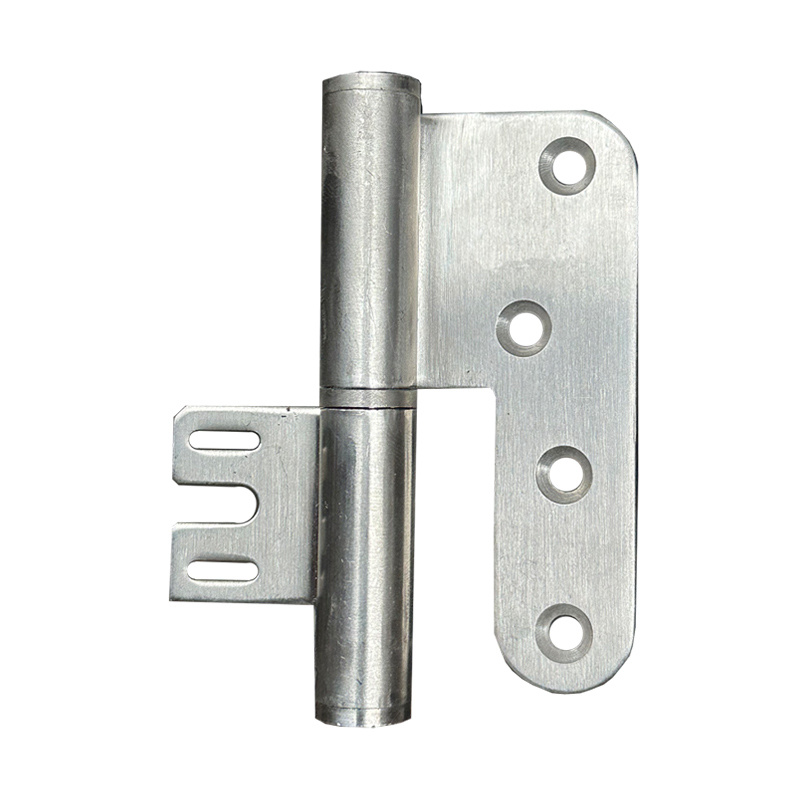
The Ultimate Guide to Installing Heavy Duty Concealed Hinges
Table of Contents
- 1. Introduction to Heavy Duty Concealed Hinges
- 2. What Are Heavy Duty Concealed Hinges?
- 3. Benefits of Using Heavy Duty Concealed Hinges
- 4. Choosing the Right Heavy Duty Concealed Hinges
- 5. Tools and Materials Needed for Installation
- 6. Preparation for Installation
- 7. Step-by-Step Installation Guide
- 8. Troubleshooting Common Installation Issues
- 9. Maintenance Tips for Longevity
- 10. Conclusion
- 11. FAQs
1. Introduction to Heavy Duty Concealed Hinges
Heavy duty concealed hinges are an excellent choice for various applications, particularly in cabinetry and doors where aesthetics and functionality are paramount. Unlike traditional hinges, concealed hinges offer a clean, minimalist look as they are hidden from view when the door is closed. This guide will walk you through every step of the installation process, ensuring you achieve a professional result.
2. What Are Heavy Duty Concealed Hinges?
Heavy duty concealed hinges are specially designed hinges that are installed within the cabinet or door frame, making them invisible when the door is closed. This design not only enhances the visual appeal but also provides a seamless operation. They are robustly built to support heavier doors, making them ideal for kitchen cabinets, heavy entry doors, and furniture pieces.
Understanding the Mechanism
These hinges operate with a pivoting mechanism that allows the door to swing open smoothly. The concealed nature of the hinge helps to distribute the weight evenly, ensuring stability and preventing sagging over time.
3. Benefits of Using Heavy Duty Concealed Hinges
The choice of using heavy duty concealed hinges comes with numerous advantages:
Enhanced Aesthetics
Concealed hinges provide a sleek and modern look, free from bulky hardware that can disrupt the design of your cabinetry.
Space Efficiency
These hinges allow for full access to the cabinet's interior, which is particularly beneficial in tight spaces.
Durability and Strength
Built to handle heavier loads, heavy duty concealed hinges are made from high-quality materials that resist wear and tear, ensuring longevity.
4. Choosing the Right Heavy Duty Concealed Hinges
Selecting the appropriate concealed hinges for your project is crucial. Here are some considerations to keep in mind:
Weight Capacity
Ensure the hinges you choose can support the weight of the doors they will be installed on. Check manufacturer specifications for load ratings.
Material
Common materials include stainless steel, brass, and zinc. Stainless steel is known for its strength and corrosion resistance, making it a popular choice for kitchen applications.
Adjustability
Look for hinges that offer adjustment features, allowing you to fine-tune the alignment of the doors after installation.
5. Tools and Materials Needed for Installation
Before starting your installation, gather the following tools and materials:
- Drill and bits
- Screwdriver (typically Phillips and flathead)
- Measuring tape
- Level
- Pencil for marking
- Clamps (optional)
- Heavy duty concealed hinges
- Screws (usually provided with hinges)
6. Preparation for Installation
Proper preparation is vital for a successful installation. Follow these steps:
Measure and Mark
Begin by measuring the height and width of the cabinet door and frame. Use a pencil to mark where the hinges will be placed, typically 2-3 inches from the top and bottom of the door.
Check for Level and Plumb
Use a level to ensure that your marks are straight. Adjust as necessary to avoid misalignment during installation.
7. Step-by-Step Installation Guide
Now that you're prepared, follow this detailed installation process:
Step 1: Drill Pilot Holes
Using a drill, create pilot holes at the marked locations for the screws. This will make it easier to install the hinges without splitting the wood.
Step 2: Attach the Hinge Plates
Secure the hinge plates to the cabinet using screws. Ensure that they are aligned with the marks and level.
Step 3: Attach the Door Side of the Hinge
Hold the door in place and attach the corresponding side of the hinge to the door. It may be helpful to use clamps to keep the door steady while you work.
Step 4: Adjust the Door Alignment
Before fully tightening the screws, adjust the door to ensure it is level and properly aligned with the cabinet. Use the adjustment features of the hinges if available.
Step 5: Final Tightening
Once everything is aligned, go ahead and tighten all screws securely.
Step 6: Testing the Door
Open and close the door several times to ensure it operates smoothly without dragging or sticking.
8. Troubleshooting Common Installation Issues
Even with careful installation, problems can arise. Here are solutions to common issues:
Door Misalignment
If the door seems off-center, check that the hinge plates are installed correctly and adjust as needed.
Sticking Doors
If the door is sticking, it may be due to improper placement of the hinges. Revisit your measurements and make necessary adjustments.
Worn Hinges
Over time, hinges can wear out. Regularly check for signs of wear and replace as needed to maintain optimal function.
9. Maintenance Tips for Longevity
To ensure the longevity of your heavy duty concealed hinges, consider these maintenance practices:
Regular Cleaning
Dust and clean the hinges periodically to prevent buildup that could affect functionality.
Lubrication
Apply a silicone-based lubricant to the hinges to keep them operating smoothly.
Inspection
Regularly inspect hinges for wear and tear, replacing them if needed to prevent door sagging or malfunction.
10. Conclusion
Installing heavy duty concealed hinges can elevate the functionality and aesthetics of your cabinetry or doors. By following this detailed guide, you can ensure a professional installation that enhances the beauty and usability of your space. Regular maintenance will keep your hinges functioning well for years to come.
11. FAQs
1. What is the weight limit for heavy duty concealed hinges?
The weight limit varies by manufacturer, but many heavy duty concealed hinges can support doors weighing up to 120 lbs or more.
2. Can I install concealed hinges on existing cabinets?
Yes, concealed hinges can be retrofitted to existing cabinets, but careful measurements and modifications may be necessary.
3. What tools will I need for the installation?
You'll typically need a drill, screwdriver, measuring tape, and a level to install heavy duty concealed hinges.
4. How do I adjust the alignment of my concealed hinges?
Most concealed hinges come with adjustment screws that allow you to shift the door slightly up, down, left, or right for perfect alignment.
5. Are concealed hinges suitable for outdoor use?
While some concealed hinges are made from weather-resistant materials, it's best to check the manufacturer's specifications for outdoor suitability.
This guide detailed everything you need to know about installing heavy duty concealed hinges, providing you with the confidence to tackle the project on your own. Happy installing!

Contact Us
E-mail :
ivyhinge@163.com
Phone/WhatsApp:
+86 18924942354
Address:
XIAOLAN TOWN,ZHONGSHAN cIty,GUANGDONG province,China

ivyhinge@163.com
Copyright © 2024 IVY HINGE MANUFACTURER
Business License