

The Ultimate Guide to Selecting the Right Stainless Steel Butt Hinges
2025-11-26
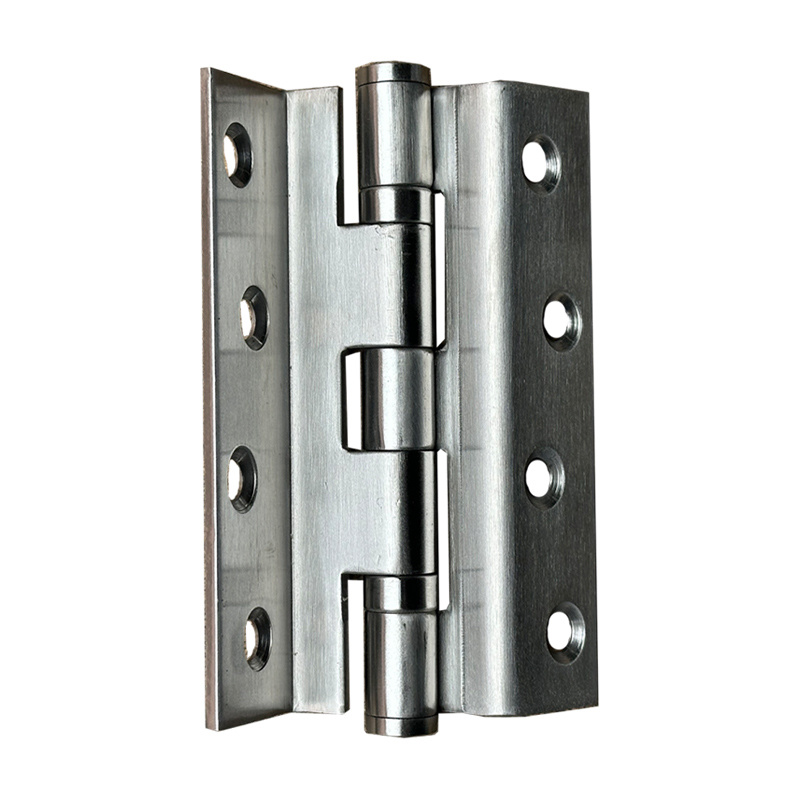
The Ultimate Guide to Selecting the Right Stainless Steel Butt Hinges
When it comes to door hardware, **stainless steel butt hinges** are among the top choices for durability and aesthetic appeal. They are designed to provide a long-lasting, reliable solution for both residential and commercial applications. In this guide, we will explore everything you need to know about selecting the right butt hinges, from understanding the various types to installation tips and maintenance practices.
Table of Contents
- Understanding Butt Hinges
- Benefits of Stainless Steel Butt Hinges
- Types of Stainless Steel Butt Hinges
- How to Select the Right Size
- Installation Tips for Butt Hinges
- Maintaining Your Butt Hinges
- Common Issues and Solutions
- Frequently Asked Questions
- Conclusion
Understanding Butt Hinges
Butt hinges are a classic type of hinge used primarily for doors and cabinets. They consist of two plates, or leaves, that are attached to the door and the door frame, allowing for smooth opening and closing. The design of butt hinges makes them ideal for situations where a strong and stable attachment is necessary. Their versatility means they can be used on a variety of materials, including wood, metal, and composite surfaces.
How Butt Hinges Work
When installed, the leaves of the hinge are positioned so that the knuckle, which is the cylindrical part where the two leaves connect, allows for rotation. This design ensures that the door swings open and closed with ease, providing reliability and functionality.
Benefits of Stainless Steel Butt Hinges
Choosing stainless steel for your butt hinges comes with a multitude of benefits:
- Corrosion Resistance: Stainless steel is highly resistant to rust and corrosion, making it ideal for environments with high humidity or exposure to moisture.
- Durability: Stainless steel butt hinges are robust and can withstand frequent use without bending or breaking.
- Aesthetic Appeal: The sleek, polished finish of stainless steel enhances the overall look of your doors and frames.
- Versatility: They are suitable for both indoor and outdoor applications, adapting well to various design styles.
Types of Stainless Steel Butt Hinges
Understanding the different types of stainless steel butt hinges is crucial for selecting the right one for your needs:
1. Standard Butt Hinges
These are the most common type of butt hinge, typically used for interior doors. They come in various sizes and thicknesses, accommodating various door weights and usages.
2. Heavy-Duty Butt Hinges
Designed for heavy doors, these hinges offer a higher weight capacity and are ideal for exterior applications or commercial settings.
3. Concealed Butt Hinges
These hinges are hidden within the door and frame, providing a cleaner look while still maintaining functionality. They are often used in high-end residential projects.
4. Spring-Loaded Butt Hinges
These hinges automatically return the door to the closed position after being opened, making them a great choice for high-traffic areas.
How to Select the Right Size
Selecting the correct size for your butt hinges is essential for ensuring proper functionality and aesthetics. Here are the key factors to consider:
1. Door Weight
The weight of your door significantly impacts the size and type of hinge you need. Heavy doors require larger, more robust hinges to support their weight.
2. Door Thickness
Measure the thickness of your door to ensure a proper fit. Standard hinges typically accommodate doors between 1-3/8” and 1-3/4” thick.
3. Hinge Size
Hinge size is usually measured by the length of the leaf. Common sizes include 3”, 4”, and 5”. Choose a size that matches the door's height for optimal performance.
Installation Tips for Butt Hinges
Proper installation of your stainless steel butt hinges is vital for ensuring their longevity and functionality. Here are some tips:
1. Gather Necessary Tools
Before you start, ensure you have all the necessary tools, including a drill, screws, a screwdriver, a level, and a measuring tape.
2. Mark Hinge Placement
Use a pencil to mark where the hinges will be installed on the door and frame. Typically, hinges are placed 7 inches from the top and 11 inches from the bottom of the door.
3. Pre-Drill Holes
Pre-drilling holes helps to prevent the wood from splitting and makes installation easier. Make sure to choose a drill bit slightly smaller than the screws you will be using.
4. Attach the Hinges
Start by attaching the hinge to the door first, followed by the frame. Ensure that the hinge is level and that the door swings smoothly.
Maintaining Your Butt Hinges
Regular maintenance of your stainless steel butt hinges can enhance their lifespan and performance. Here are some maintenance tips:
1. Clean Regularly
Wipe down the hinges with a damp cloth to remove dust and dirt. Avoid using abrasive cleaners that could scratch the surface.
2. Lubricate Periodically
Apply a silicone-based lubricant to the hinges every few months to ensure smooth operation and prevent rusting.
3. Check for Damage
Regularly inspect your hinges for any signs of wear or damage. Replace any worn hinges promptly to maintain door functionality.
Common Issues and Solutions
Even high-quality stainless steel butt hinges can experience issues. Here are some common problems and their solutions:
1. Door Doesn’t Close Properly
If your door doesn't close properly, check the hinge alignment. Adjust screws or reposition hinges as needed.
2. Squeaking Noises
Squeaking hinges are often a sign that they need lubrication. Apply lubricant to the knuckle area to alleviate the noise.
3. Rust or Corrosion
If you notice rust, clean the hinge thoroughly and apply a rust-inhibiting product to prevent further corrosion.
Frequently Asked Questions
1. What is the weight capacity of stainless steel butt hinges?
The weight capacity varies by hinge size and design. Heavy-duty butt hinges can support doors weighing up to 300 pounds or more.
2. Can stainless steel butt hinges be used outdoors?
Yes, stainless steel is ideal for outdoor use due to its corrosion resistance.
3. How often should I lubricate my butt hinges?
We recommend lubricating your hinges every 3 to 6 months, depending on usage and environmental conditions.
4. What is the difference between standard and concealed butt hinges?
Standard butt hinges are visible when the door is closed, while concealed hinges are hidden within the door and frame for a cleaner appearance.
5. Are all stainless steel butt hinges the same?
No, they vary in size, thickness, material grade, and design, affecting their performance and suitability for different applications.
Conclusion
Choosing the right stainless steel butt hinges is essential for ensuring that your doors operate smoothly and last for years. By understanding the types available, selecting the appropriate size, and following proper installation and maintenance practices, you can enhance the functionality and aesthetic of your space. Remember to consider factors such as door weight, thickness, and environment when making your decision. With this ultimate guide, you are now equipped with the knowledge to select the best stainless steel butt hinges for your project.
PREVIOUS:

Contact Us
E-mail :
ivyhinge@163.com
Phone/WhatsApp:
+86 18924942354
Address:
XIAOLAN TOWN,ZHONGSHAN cIty,GUANGDONG province,China

ivyhinge@163.com
Copyright © 2024 IVY HINGE MANUFACTURER