

Understanding Stainless Steel Butt Hinges: A Comprehensive Guide for Professionals
2025-12-05
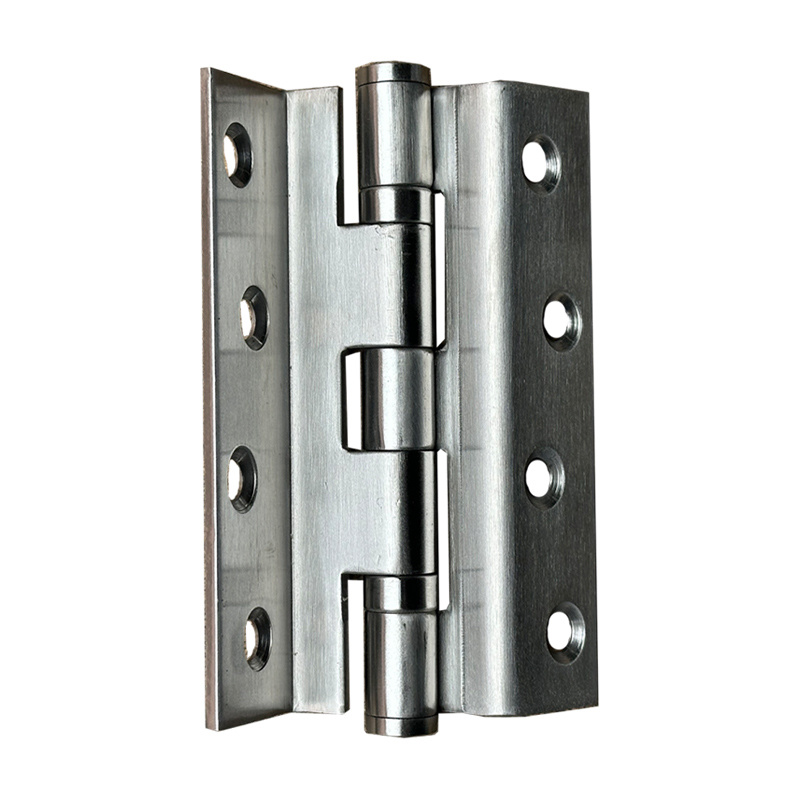
Stainless steel butt hinges are integral components in various applications, known for their durability, corrosion resistance, and aesthetic appeal. These hinges consist of two plates (leaves) attached with a pin, allowing for smooth swinging motion of doors, gates, and cabinets. Their robust design enables them to withstand heavy loads and frequent use, making them ideal for both residential and commercial settings.
One of the defining features of stainless steel butt hinges is the material itself. Stainless steel offers significant advantages over other materials, such as mild steel or brass, particularly in environments subjected to moisture or corrosive elements. The addition of chromium in stainless steel creates a protective layer, preventing rust and prolonging the lifespan of the hinge. This makes stainless steel butt hinges particularly suitable for outdoor applications, marine environments, or industrial settings where exposure to harsh chemicals is common.
When selecting stainless steel butt hinges, various factors must be taken into account. Load capacity is a primary consideration. It's crucial to assess the weight of the door or gate to ensure the hinge can support it adequately. Additionally, the hinge's size, including the width and thickness of the leaves, affects its strength and overall performance. Professionals should also consider the hinge's finish. Options like polished, brushed, or blackened finishes not only enhance aesthetic appeal but can also offer varying levels of corrosion resistance.
Installation plays a critical role in the effectiveness of stainless steel butt hinges. Proper alignment and secure fastening are essential to ensure optimal performance. Misalignment can lead to premature wear, jamming, or even damage to the door frame. Professionals should utilize appropriate tools and techniques for installation, such as using pilot holes for screws to avoid splitting the wood or material.
Another aspect worth mentioning is the maintenance of stainless steel butt hinges. While they are designed to be low-maintenance due to their corrosion-resistant properties, regular cleaning is recommended to remove dirt or grime that may accumulate over time. Lubrication may also be necessary to ensure smooth operation, particularly in high-traffic areas where hinges are frequently used.
In conclusion, stainless steel butt hinges are a vital component in a wide array of applications, providing strength, durability, and resistance to corrosion. By understanding the material properties, load capacities, installation techniques, and maintenance requirements, professionals can make informed decisions when integrating these hinges into their projects. Staying updated with industry standards and best practices will further enhance their effectiveness in achieving successful outcomes in the hardware tools and accessories sector.

Contact Us
E-mail :
ivyhinge@163.com
Phone/WhatsApp:
+86 18924942354
Address:
XIAOLAN TOWN,ZHONGSHAN cIty,GUANGDONG province,China

ivyhinge@163.com
Copyright © 2024 IVY HINGE MANUFACTURER
Business License