

Unlocking Efficiency: The Importance of Industrial Door Hinges in Daily Operations
2026-03-06
Unlocking Efficiency: The Importance of Industrial Door Hinges in Daily Operations
Table of Contents
- Introduction to Industrial Door Hinges
- Types of Industrial Door Hinges
- The Importance of Industrial Door Hinges
- Factors to Consider When Selecting Industrial Door Hinges
- Installation Best Practices for Industrial Door Hinges
- Maintenance of Industrial Door Hinges
- Safety Standards and Regulations for Hinges
- Conclusion
- FAQs
Introduction to Industrial Door Hinges
Industrial door hinges are often overlooked components of daily operations, yet they play a crucial role in ensuring the smooth functioning of doors within various facilities. Whether you operate a warehouse, factory, or retail space, the efficiency of your door hinges can significantly impact workflow, safety, and overall productivity. In this extensive guide, we will explore the different types of industrial door hinges, their importance, factors to consider during selection, installation practices, maintenance tips, and relevant safety standards.
Types of Industrial Door Hinges
Understanding the variety of hinges available is essential in making the right choice for your operational needs. Each type of hinge serves a unique purpose and is designed to accommodate specific door sizes and weights.
1.1 Butt Hinges
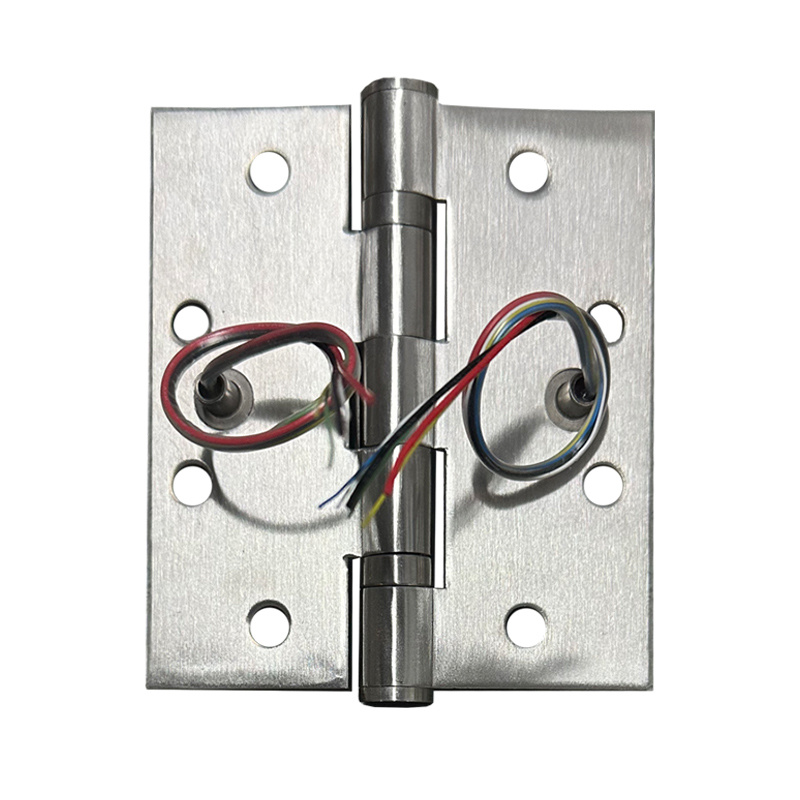
Butt hinges are among the most common types found in industrial settings. They consist of two plates (leaves) and a pin that allows smooth rotation. They are ideal for medium-weight doors and provide a sturdy solution for frequent use.
1.2 Piano Hinges
Piano hinges, also known as continuous hinges, run the entire length of the door. Their design provides superior support for heavy doors and ensures even weight distribution. They are typically used in applications such as large machinery doors or folding partitions.
1.3 Concealed Hinges
Concealed hinges are designed to remain hidden when the door is closed. This aesthetic appeal makes them popular in commercial spaces. Despite their hidden nature, they provide robust support and are suitable for both light and heavy doors.
1.4 Heavy-Duty Hinges
As the name suggests, heavy-duty hinges are designed for high-traffic and heavy doors. Made from robust materials, they can withstand significant wear and tear, making them an ideal choice for industrial environments.
The Importance of Industrial Door Hinges
The role of industrial door hinges extends beyond simply facilitating door movement. They contribute to various aspects of operational efficiency and safety:
Enhanced Operational Efficiency
Properly functioning hinges ensure that doors open and close smoothly, preventing disruptions in workflow. This efficiency is particularly vital in high-traffic areas where delays can lead to productivity loss.
Improved Safety
The right hinges not only support the weight of the door but also enhance safety. Defective or inadequate hinges can cause doors to malfunction, leading to accidents or injuries. By investing in quality hinges, businesses can significantly reduce safety hazards.
Reduced Maintenance Costs
Quality industrial door hinges require less frequent replacement and repair. By choosing the right type and performing regular maintenance, businesses can lower their overall operating costs and improve the lifespan of their door systems.
Factors to Consider When Selecting Industrial Door Hinges
Choosing the right industrial door hinges is crucial for ensuring optimal performance. Here are some key factors to consider:
Weight and Size of the Door
Before selecting any type of hinge, assess the weight and size of the door. Heavier doors require sturdier hinges that can bear the load without compromising functionality.
Material Composition
The material of the hinge is critical, especially in industrial settings where exposure to elements and wear is common. Stainless steel, brass, and zinc-alloy are popular choices due to their durability and resistance to corrosion.
Environment and Usage
Consider the environment in which the hinges will be used. For example, outdoor applications may require weather-resistant hinges, while food processing facilities may need hinges that meet specific hygiene regulations.
Load Capacity
Each hinge has a specified load capacity. Ensure that the selected hinges can accommodate the weight of the door along with any additional stress from frequent use.
Aesthetic Considerations
While functionality is paramount, aesthetics can also play a role in hinge selection, particularly in customer-facing environments. Choose hinges that complement the overall design and architecture of your space.
Installation Best Practices for Industrial Door Hinges
Correct installation is essential for maximizing the effectiveness and longevity of industrial door hinges. Here are some best practices to follow:
Proper Alignment
Ensure that the door is properly aligned with the frame before installation. Misalignment can lead to uneven wear and premature failure of the hinges.
Use Quality Fasteners
Utilize high-quality screws or bolts that are appropriate for the hinge and door material. This ensures a secure fit and helps prevent loosening over time.
Install at Appropriate Heights
Follow industry guidelines for hinge height installation. Generally, hinges should be positioned at a height that allows for smooth movement without obstruction.
Maintenance of Industrial Door Hinges
Regular maintenance of industrial door hinges is crucial in preventing operational disruptions. Here are some effective maintenance strategies:
Regular Lubrication
Applying lubricant to hinges periodically reduces friction and wear. Use a suitable lubricant that withstands the conditions of your operational environment.
Inspection for Damage
Regularly inspect the hinges for signs of wear, rust, or misalignment. Early detection of damage can prevent more severe issues down the line.
Adjustments as Necessary
Over time, doors may settle, leading to misalignment. Periodically check the alignment and make necessary adjustments to ensure proper function.
Safety Standards and Regulations for Hinges
Compliance with safety standards is essential in industrial settings. Various organizations, such as OSHA (Occupational Safety and Health Administration), provide guidelines for hinge safety and installation practices. Understanding and adhering to these standards ensures not only legal compliance but also the safety of employees and visitors.
Conclusion
In conclusion, industrial door hinges play a pivotal role in enhancing efficiency, safety, and durability in daily operations. Understanding the various types, their significance, and the factors influencing selection and maintenance can lead to substantial improvements in operational workflow. By investing in quality hinges and adhering to best practices, businesses can unlock the full potential of their door systems, leading to improved productivity and reduced operational costs.
FAQs
1. What type of hinge is best for heavy doors?
Heavy-duty hinges are the best choice for heavy doors, as they are specifically designed to support significant weight and withstand frequent use.
2. How often should industrial door hinges be lubricated?
Industrial door hinges should be lubricated periodically, typically every three to six months, depending on usage and environmental conditions.
3. Can I install hinges myself, or should I hire a professional?
If you have experience with door installations, you may be able to install hinges yourself. However, hiring a professional can ensure optimal alignment and functionality.
4. What materials are best for outdoor hinges?
Stainless steel and brass are excellent materials for outdoor hinges, as they offer resistance to corrosion and harsh weather conditions.
5. What are the consequences of using low-quality hinges?
Low-quality hinges can lead to increased maintenance costs, safety hazards, and operational disruptions due to frequent failures or malfunctions.

Contact Us
E-mail :
ivyhinge@163.com
Phone/WhatsApp:
+86 18924942354
Address:
XIAOLAN TOWN,ZHONGSHAN cIty,GUANGDONG province,China

ivyhinge@163.com
Copyright © 2024 IVY HINGE MANUFACTURER