

Understanding Industrial Door Hinges: Essential Components for Efficient Operations
2026-03-15
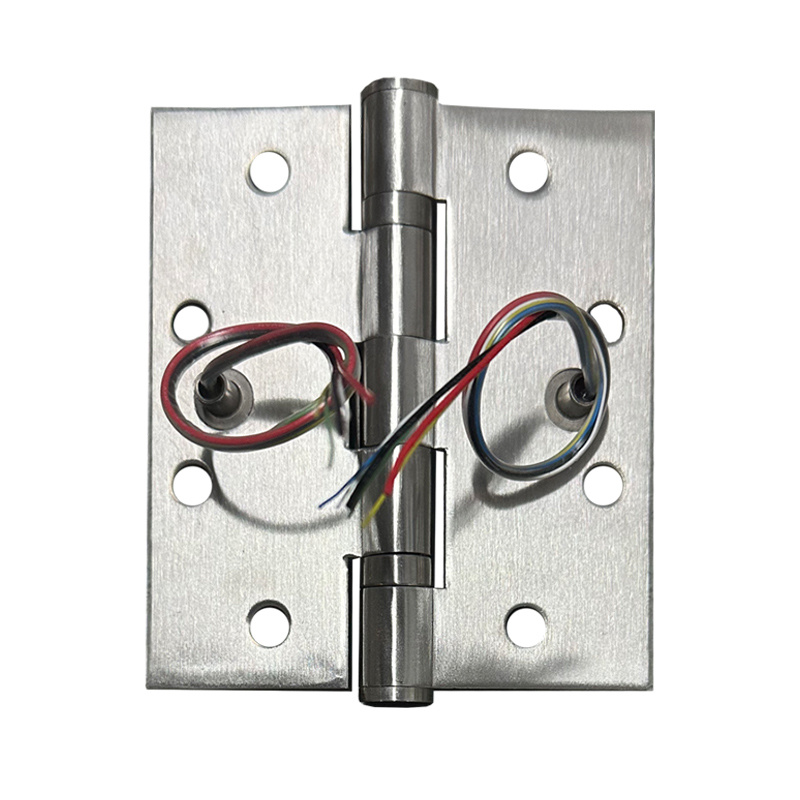
Industrial door hinges are crucial components in the realm of everyday hardware, particularly within the lightweight daily commodities industry. These hinges facilitate the opening and closing of doors, which are integral to various applications, including warehouses, factories, and retail environments. Understanding industrial door hinges is vital for professionals seeking to enhance operational efficiency and durability in their facilities.
One of the primary roles of industrial door hinges is providing support to heavy doors and ensuring they function smoothly under frequent use. Therefore, selecting the right type of hinge is essential. There are several varieties of industrial door hinges, including butt hinges, continuous hinges, and pivot hinges, each designed to cater to specific needs and door configurations.
Butt hinges are among the most common types used in industrial settings. They consist of two plates, known as leaves, that are attached to the door and the frame. This simple design allows for effective weight distribution, enabling the door to swing open and close with ease. Continuous hinges, on the other hand, run the entire length of the door and are particularly beneficial for heavy doors, as they provide added strength and stability. Pivot hinges are ideal for situations where doors need to operate at an angle, offering flexibility in design and function.
In addition to the types of hinges, the materials used in manufacturing industrial door hinges significantly impact their performance and lifespan. Common materials include stainless steel, brass, and zinc-plated steel. Stainless steel hinges are particularly desirable for their corrosion resistance, making them suitable for environments exposed to moisture or harsh conditions. Meanwhile, brass hinges offer aesthetic appeal and robustness, while zinc-plated options provide a cost-effective solution without compromising on quality.
The benefits of investing in quality industrial door hinges extend beyond mere functionality. Properly selected hinges contribute to enhanced safety and security, as they can prevent doors from sagging or becoming misaligned over time. Additionally, efficient door operations can lead to reduced wear and tear, minimizing maintenance costs and downtime.
In conclusion, industrial door hinges play a pivotal role in the functionality and durability of doors within the lightweight daily commodities sector. By understanding the various types and materials available, professionals can make informed decisions that promote operational efficiency and longevity in their industrial settings. Whether you are involved in manufacturing, distribution, or retail, recognizing the importance of quality hinges can lead to improved performance and productivity across your operations.

Contact Us
E-mail :
ivyhinge@163.com
Phone/WhatsApp:
+86 18924942354
Address:
XIAOLAN TOWN,ZHONGSHAN cIty,GUANGDONG province,China

ivyhinge@163.com
Copyright © 2024 IVY HINGE MANUFACTURER
Business License